Search "how to find a real voodoo priest" and honestly, you get pages of the same thing over and over. "I'm the real one, everyone else is fake, message me." Cool. Great. Doesn't actually tell you anything.
Contact me by WhatsappNobody walks you through what to look for, what to ask, what separates someone with real training from a guy who bought a domain last week and copy-pasted a template off another site. So that's what this is. No pitch here. Just a straight answer, from people who've watched this whole industry up close for years and gotten pretty tired of the noise.
Why This Search Is Harder Than It Should Be
Part of it's the phrase itself. "Voodoo priest" gets stuck on every kind of spiritual service under the sun at this point, tarot readers, generic "psychics," entire call-center setups running five fake identities off five nearly identical websites. None of that's voodoo, not really, but it all shows up jumbled together in the same results, so the real thing gets buried under a pile of noise. The search for an African magic caster suffers from the same confusion.
Then there's the confidence problem. A fake practitioner can promise literally anything. No license to lose, no board checking claims, zero consequences if nothing happens. Someone actually trained inside a lineage tends to sound more careful about it, more likely to say "it depends" than "guaranteed, 100%." Which, annoyingly, makes them look weaker sitting next to whoever's yelling the loudest promises in all caps.
And the copycats, don't get me started. Search almost any version of this phrase and you'll hit a dozen pages using near-identical wording within five minutes. Same "ancient power" line. Same stock photo of candles and dried herbs. Sometimes literally the same testimonial with just the name swapped out. A handful of people running multiple fake sites can flood a results page way faster than one honest practitioner could ever keep up with through legit content alone. Not a conspiracy. Just how cheap SEO spam works in any niche where trust is hard to check from the outside.
Signs You're Probably Looking at a Fake One
A few patterns keep showing up, again and again, once you've compared enough of these sites side by side.
Red flags to watch for
- Guaranteed timelines: "results in 24 hours"
- Weird payment requests: Western Union, gift cards, crypto
- Vague or copy-pasted bios with no place, lineage or timeframe
- Pressure to decide fast, or a sudden "emergency ritual"
- Stock photography paired with claims about one named individual
Guaranteed timelines, worst offender by far. "Results in 24 hours." "Your ex back in a week, guaranteed." Real spiritual work, in any tradition actually worth taking seriously, takes time and depends on way more than one person just wanting it hard enough. Anyone promising a short fixed deadline is selling you what you want to hear. Not what's true.
Weird payment requests, right behind that. Western Union. Gift cards. Crypto, half up front and half "once the spirits confirm it worked" (how, exactly?). Same red flags you'd spot in literally any other online scam, just dressed up in candles and incense instead of a fake prince needing your bank info.
Vague or copy-pasted bios matter too. If an "About Me" section could get pasted onto ten other sites with the name swapped and nothing else changed, notice that. Real training has specifics attached to it. A place. A lineage. Some rough timeframe. Not just "powers passed down for generations," repeated with absolutely nothing behind it.
And pressure. Fake operations push, hard, for a fast decision, sometimes escalating mid-chat with some sudden emergency ritual that apparently has to happen right this second or the window closes forever. Real practitioners let you sit with it.
One more small thing, easy to miss. Stock photography paired with claims about one specific, named individual. If every single image on a site looks pulled from a paid library, sit with that for a second. Small detail. But it's usually where the gap between real and fake shows up first, before anything else does.
What an Actual Real One Tends to Look Like
Strip the marketing away and genuine practitioners tend to share a handful of things, no matter which specific tradition they come out of.
What a real practitioner tends to do
- Names exactly where they trained: a town, a family, a lineage
- Explains their process before asking for money
- Is upfront that timelines are rough guesses, not promises
- Says no to requests they find unethical
They can name exactly where they trained. Not just a country, an actual town, a family, a lineage they can walk you through if you ask. They explain their process before asking for money, usually starting with questions about your actual situation instead of a pitch. They're upfront that timelines are rough guesses, not promises carved in stone. And they'll say no to a request they find unethical, which sounds like a small thing until you realize it's one of the clearest signs of real training versus someone just trying to close a sale no matter what.
Priest Codanto, who's practiced traditional Vodun out of Ketou, Benin since 1980, fits this closely. Grandfather practiced before him. He trained for years under elders in the region before anyone let him work on his own. Talks about his background openly whenever asked. Doesn't do fixed timelines. Turns down requests he considers harmful, has for decades. None of that's unique to him specifically, to be clear, it's just what the real version of this tends to look like, wherever you happen to run into it.
Questions Worth Actually Asking Before You Trust Anyone
Short list, but it clears up more than an hour of reading testimonials ever will.
Where specifically did you train, and with who?
A real answer names a place and a lineage. Not "I was born with the gift" and then... nothing else, silence.
How long have you been doing this?
Vague stuff like "many years" is worth pushing on a little. Ask for something closer to an actual date.
What happens if the first attempt doesn't work?
Someone legitimate has a real answer, usually about going back and looking at the case again. A scam just asks for more money, every time, no exception.
Can you walk me through the process before I pay anything?
No means no, basically, walk away. Same goes if you're being pushed to pay before getting a real explanation.
What materials or methods do you actually use?
Vague mystical language with zero specifics is a bad sign. Real answers mention actual things, herbs, particular objects, a ritual you can picture, not just "powerful ancient magic" and a shrug.
Money Talk, and Where the Red Flags Usually Hide
Pricing's where a lot of fake operations show their hand fastest, honestly. One flat, universal price quoted before you've even explained your situation? That should raise an eyebrow. Real work varies case to case, depending on what's actually going on.
Escalating cost is the other classic move. Agree to one price, then halfway through, suddenly there's an additional, pricier ritual "required," usually framed as urgent. Common enough across this whole industry that any mid-process price hike deserves real suspicion, no exceptions.
Payment method too, worth repeating. Bank transfer or a documented digital payment leaves a trail. Western Union, MoneyGram, gift cards don't, which is exactly why scam operations in a dozen totally unrelated industries lean on the same three options.
Why Lineage and Location Actually Matter Here
Voodoo, or Vodun in its original form, goes back centuries across what's now Benin, Togo, and parts of Nigeria. It traveled later, through the slave trade, into Haiti, Louisiana, the Caribbean, mixing with whatever was already there. None of those later versions is more "valid" than the others. But they're also not interchangeable, and a practitioner who gets vague about which tradition they actually belong to is usually vague for a reason.
Someone trained specifically within the West African lineage, somewhere like Ketou where the knowledge stayed mostly intact across generations, works differently than someone borrowing loosely from three or four traditions with no clear line back to any single one of them. Want the original African form specifically, rather than a diaspora version? Just ask directly. A real practitioner won't hesitate answering that.
Not trying to rank traditions against each other here, to be clear. Haitian Vodou, Louisiana hoodoo, they've got their own legitimate lineages, their own trained people, their own history that deserves respect on its own terms. The actual problem is practitioners grabbing bits from everywhere with zero real training in any of it, using "voodoo" as one big catch-all marketing word instead of an actual practice they belong to.
What Actually Happens Once You Find One
First conversation with a genuine practitioner tends to feel less like a sales call, more like an actual consultation. Questions about your situation. How it started. What changed. Whether you've tried something else already. Only after all that does anyone start talking about what kind of work might help, roughly how long, what it costs.
No pressure to decide right there. You can think it over, ask more, or just not go through with it, and that's fine. If you do move forward, communication usually keeps going through the process instead of going dead silent the second payment clears. A real one checks in partway through instead of vanishing until some random deadline they picked.
A Real Example, Since Abstract Advice Only Goes So Far
Easier to talk about all this in theory than point at someone who actually fits it. So, one concrete case. Priest Codanto's practiced traditional Vodun from Ketou, Benin since 1980. Training came through his own family and a line of elders in the region, same way most legitimate people in this tradition get trained, over years, not some weekend course.
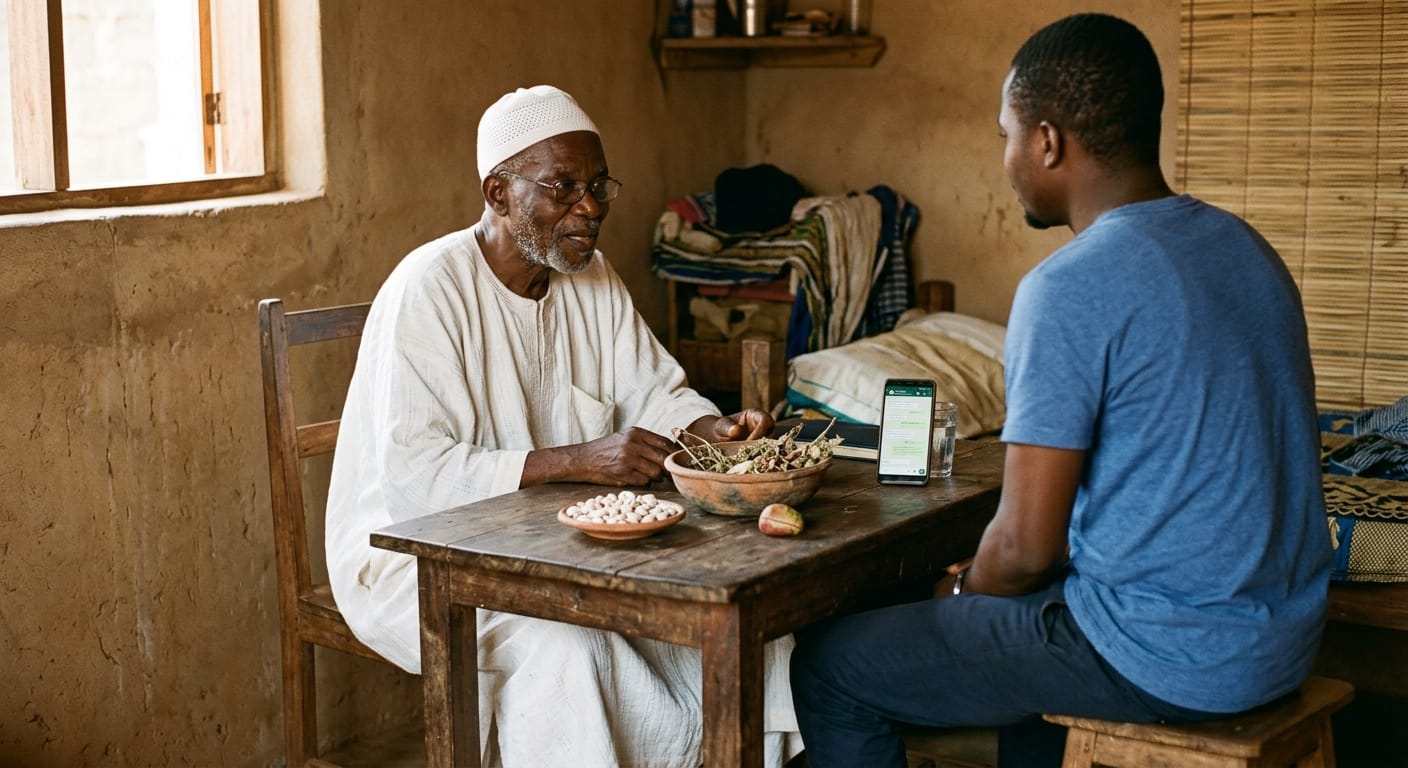
Works mostly through WhatsApp these days, clients across the US, Canada, Europe. Starts every case with questions, not promises. Blunt about results taking time and varying case by case, and he only gets into cost once he actually understands what's going on. None of that's dramatic, really. It's just what it looks like when the thing is real instead of a script.
Want to see how this plays out for yourself, or just want to ask a real practitioner the kind of questions above and judge the answers on your own? Reach him directly on WhatsApp at +229 56 94 95 65, or through the contact page.
Ask the questions above. Judge the answers yourself.
No obligation, no charge just to explain your situation. Priest Codanto answers questions about his training and process directly.
Message +229 56 94 95 65 on WhatsAppChecklist Before You Actually Reach Out
Keep this nearby while comparing whoever you're looking at.
Before you send anyone a dollar
- Can they name an actual place and lineage they trained in?
- Do they explain the process before asking for money?
- Are timelines framed as rough guesses, not guarantees?
- Do they take traceable payment, not just gift cards or wire transfers?
- Will they answer direct questions about their background without getting weird about it?
- Will they say no to something they consider unethical?
Mostly yes down that list, you've probably found someone worth talking to. Mostly no, keep looking, seriously.
And actually paying attention when the answers don't quite line up.
If you want to see what this checklist looks like in practice, read about African voodoo priest Codanto, who consults Fa before every ritual and answers every message himself.
Questions People Actually Ask About This
Can I find a real voodoo priest without flying to Africa?
Yeah. Most legitimate practitioners working with people abroad do it over phone or WhatsApp these days. You don't need to physically show up for most rituals, though a few offer in-person visits if that's what someone wants.
How much should this cost?
No universal number, sorry. Depends entirely on the situation. What matters more than the actual figure is whether the price gets explained after they understand your case, not quoted blind before they know anything about you.
Can a real one guarantee results?
No. Anyone who does is telling you what sounds good, not what's true. Genuine spiritual work depends on more than one person just wanting it, and someone serious will say that outright instead of promising something they can't actually control.
What's the actual difference between a voodoo priest and a psychic?
A voodoo priest works inside a specific lineage tied to a region and a set of rituals, usually West African, Haitian, or a related diaspora tradition. Psychics and mediums tend to sit outside any one tradition, more about intuition or spirit contact broadly rather than structured ritual work.
Should I worry about safety contacting someone online?
Same basic caution as any online transaction, really. Skip untraceable payment methods, don't hand over more personal info than needed, and if something feels off in that first message, trust it.